Nightlife vs Alternatives: Complete Comparison
The allure of nightlife has captivated societies across centuries, transforming from simple social gatherings under starlight to today’s vibrant blend of entertainment, culture, and technology. From ancient Roman feasts to modern-day rooftop bars, humanity has always found ways to celebrate the night.
In an era where digital experiences often compete with real-world interactions, understanding what makes nightlife distinct—and how it compares to other forms of evening engagement—is crucial. This exploration delves into both the traditional charm of nighttime activities and their contemporary alternatives.
The Evolution of Nightlife Through History
Civilizations have long embraced nocturnal festivities as markers of cultural identity and communal bonding. The earliest known records suggest that Mesopotamians held moonlit rituals around ziggurats, while Egyptian pharaohs hosted elaborate banquets beneath celestial constellations.
During medieval Europe, the concept of “the night” was heavily regulated by curfews imposed during times of war and disease outbreaks. However, these restrictions only fueled secret gatherings in hidden taverns and clandestine masquerade balls.
The Industrial Revolution brought significant changes to urban life patterns. As factories operated late hours, working-class populations began developing their own nightlife culture through music halls, dance halls, and early forms of cinema.
By the mid-20th century, cities became hubs for diverse nightlife scenes. Jazz clubs emerged alongside cocktail lounges, and youth subcultures created underground venues for expression through rock ‘n’ roll and punk movements.
- Mesopotamian Moon Rituals: Ancient Sumerians believed the full moon influenced human behavior, leading them to conduct sacred ceremonies at night.
- Victorian Era Restrictions: Strict laws limited public drinking establishments until the repeal of Prohibition in the United States during the 1930s.
Modern Nightlife Landscape
Todays’ nightlife scene is characterized by its diversity and integration of technology. Urban centers host everything from intimate speakeasies to massive electronic music festivals, reflecting shifting societal values and economic dynamics.
The rise of smart city infrastructure has transformed how people engage with nightlife spaces. LED lighting systems now create immersive environments, while augmented reality applications offer new dimensions to clubbing experiences.
Demographic shifts also influence current trends—millennials prefer curated experiences over traditional bar hopping, seeking authenticity in mixology classes or themed dining nights rather than generic party atmospheres.
Sustainability initiatives are reshaping industry practices; eco-conscious venues implement waste reduction programs, energy-efficient lighting solutions, and local sourcing policies to appeal to environmentally aware patrons.
Digital Transformation of Nightlife Spaces
A recent survey by the Global Nightlife Association revealed that 68% of nightclub owners have adopted mobile ticketing systems to streamline entry processes and reduce wait times. These technologies also enable personalized recommendations based on individual preferences.
Fully integrated smart venue management platforms allow staff to monitor crowd density, adjust music volume levels automatically, and even predict peak attendance periods using AI analytics tools developed specifically for entertainment industries.
Venues incorporating virtual reality elements report increased customer retention rates compared to conventional locations. For instance, VR-enhanced dance floors provide interactive visual effects synchronized with DJ sets, creating unparalleled sensory experiences.
This technological evolution challenges traditional notions of physical presence but simultaneously expands accessibility—for example, remote participation options make global events available to audiences worldwide without requiring travel.
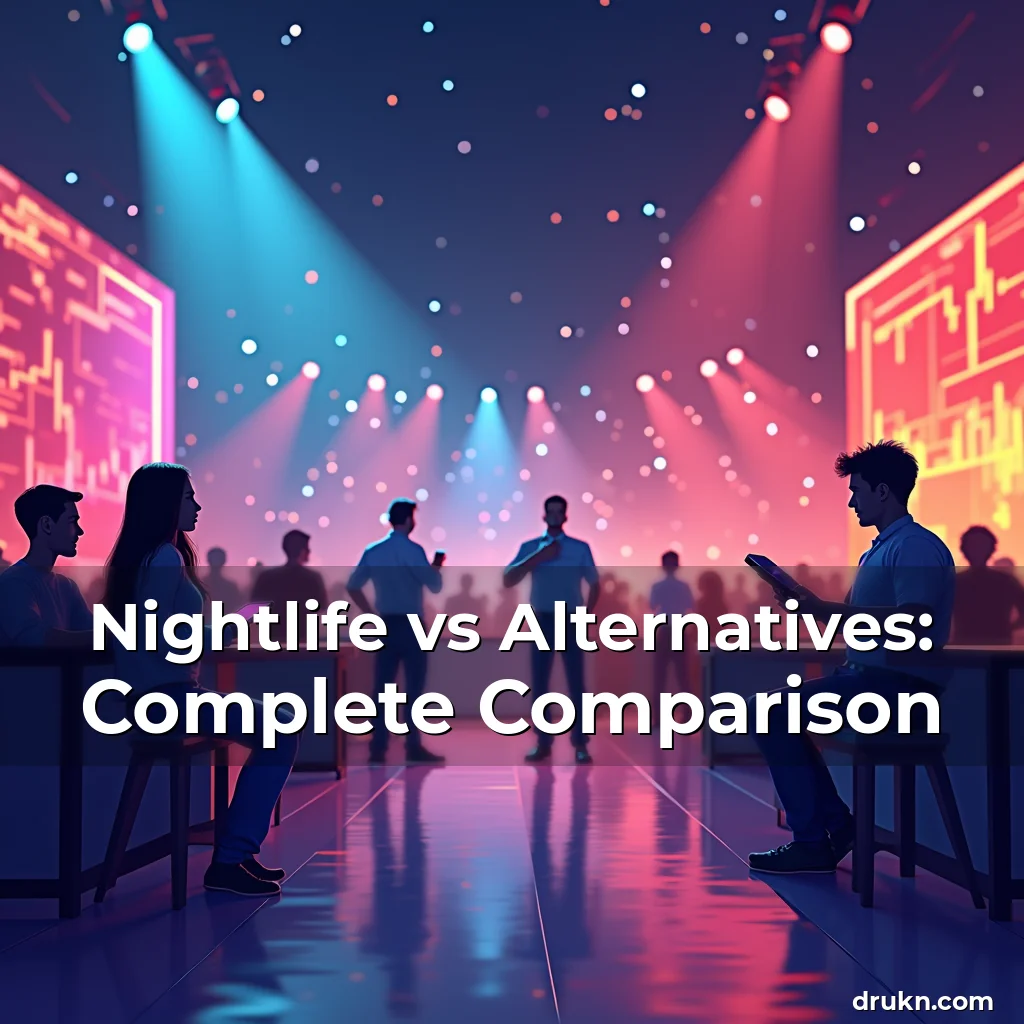
Comparative Analysis: Traditional Nightlife vs Contemporary Alternatives
While classic nightlife remains popular among certain demographics, emerging formats challenge its dominance in consumer choices. Streaming services offering curated playlists rival live performances in terms of convenience and personalization potential.
Home-based entertainment systems equipped with high-fidelity audio components and projectors present viable substitutes for concert-going experiences. Some studies indicate that younger generations prioritize comfort and cost-effectiveness when deciding between out-of-home versus indoor leisure activities.
Virtual meetups facilitated through gaming platforms or video conferencing software allow individuals to maintain social connections without leaving their residences—a trend accelerated significantly since 2020 due to pandemic-related restrictions.
On-demand food delivery apps combined with movie streaming subscriptions form another compelling alternative. Consumers can enjoy gourmet meals paired with cinematic content from the comfort of their living rooms, eliminating many logistical barriers associated with going out.
- Streaming Services: Platforms like Spotify and YouTube Music deliver personalized soundtracks tailored to users’ moods and tastes.
- Gaming Communities: Multiplayer online games foster social interaction comparable to real-life networking opportunities within virtual worlds.
Economic Implications of Changing Nightlife Preferences
The evolving landscape of evening entertainment impacts local economies in complex ways. While some sectors experience decline, others find innovative avenues for growth amidst changing consumer behaviors.
Traditional hospitality businesses face challenges adapting to new market demands. Bars and restaurants must either pivot towards experiential offerings or risk losing relevance in increasingly competitive markets dominated by digital-first competitors.
However, niche segments continue thriving—artisanal distilleries benefitting from craft cocktail culture resurgence, specialty cafes capitalizing on latte art appreciation movement, etc.—demonstrate resilience amid transformation.
New business models emerge from blending offline/online elements effectively. Subscription-based access to exclusive events, hybrid concerts combining physical attendance with livestream broadcasts represent strategic adaptations ensuring continued revenue streams despite shifting paradigms.
Employment Trends Within the Industry
A 2023 labor market analysis showed mixed outcomes regarding job stability within the nightlife sector. Positions related to event production saw steady growth whereas roles dependent solely upon foot traffic experienced volatility post-pandemic recovery phases.
Upskilling becomes essential for professionals aiming to remain relevant—certifications in event management, mastering digital marketing techniques, learning advanced audiovisual system operation skills equip workers better against uncertainties ahead.
Remote work opportunities expand beyond typical service-oriented jobs; freelance content creators producing reviews, influencers managing brand partnerships operate successfully outside traditional brick-and-mortar constraints.
Entrepreneurship thrives particularly well here—with micro-niche ventures such as pop-up bars operating seasonally proving more adaptable than permanent establishments constrained by fixed overhead costs.
Health Considerations Across Different Engagement Models
Physical health implications differ notably between active participation modes and passive consumption methods prevalent in modern lifestyles. Regular attendees of social gatherings may encounter risks associated with excessive alcohol intake, sleep deprivation, or exposure to infectious diseases.
In contrast, those opting for home-based alternatives generally avoid these hazards entirely unless they consciously choose to consume substances recreationally indoors. Sedentary lifestyle concerns arise primarily from prolonged screen time spent engaging virtually instead of moving physically.
Mental wellbeing aspects require careful consideration too. Excessive reliance on digital interactions might contribute feelings of isolation or superficial relationships lacking depth found in face-to-face encounters. Conversely, intense social environments could overwhelm sensitive individuals prone to anxiety disorders.
Balancing approaches seem optimal—incorporating regular outdoor activities alongside moderate use of tech-mediated connectivity helps achieve healthier equilibrium satisfying both social needs and physiological requirements simultaneously.
Cultural Significance & Identity Formation
Nightlife plays pivotal role in shaping collective identities and fostering intercultural exchanges. Historically, marginalized communities used nighttime settings as safe havens expressing themselves freely away from daytime prejudices.
Urban nightscapes serve as melting pots where different cultures intersect organically through shared musical tastes, culinary traditions, fashion influences, etc. Such cross-pollination enriches overall societal fabric making cities more dynamic places to inhabit.
Despite globalization efforts homogenizing certain aspects globally, localized variations persist highlighting unique regional characteristics embedded deeply within respective nightlife ecosystems.
Artistic expressions thrive especially well during nighttime hours—late-night open mic sessions, mural painting projects initiated after dark reflect creative impulses activated by nocturnal ambiance itself.
Safety & Security Concerns
Ensuring safety remains paramount concern affecting enjoyment levels significantly. Venue operators invest considerable resources implementing robust security measures ranging from surveillance cameras to bouncers trained in de-escalation tactics.
Patrons play active role maintaining secure environments by reporting suspicious activities promptly and respecting boundaries set forth by hosts establishing clear codes of conduct beforehand.
Technological advancements aid greatly here—biometric identification systems help prevent unauthorized entries; emergency response protocols integrated seamlessly into building infrastructures ensure swift assistance whenever required.
Community policing initiatives strengthen trust between locals and enforcement agencies promoting collaborative efforts aimed at reducing crime incidents occurring frequently near nightlife zones.
Future Trajectories & Predictions
Looking forward, several trajectories appear likely shaping tomorrow’s nightlife landscapes. Continued convergence between physical/digital realms promises novel experiences merging best attributes of both domains harmoniously together.
Advancements in wearable technology might lead toward more personalized entertainment tailoring each visitor’s journey uniquely according to biometrics monitored discreetly without intruding privacy excessively.
Climate change considerations will inevitably influence location selections favoring cooler climates or indoor facilities featuring climate control capabilities ensuring comfort regardless external conditions prevailing outdoors.
Lastly, emphasis placed increasingly upon mental wellness might result in therapeutic applications being incorporated naturally within recreational contexts—meditation stations offered inside clubs, yoga sessions conducted atop rooftops enhancing holistic benefits derived from nighttime engagements.
Conclusion
The comparison between traditional nightlife and its modern counterparts reveals intricate nuances influencing contemporary decision-making processes surrounding evening entertainments.
Whether choosing to immerse oneself fully within vibrant urban nightscapes or preferring curated digital experiences, awareness of available options empowers individuals to select paths aligning most closely with personal priorities and values.
“`

news is a contributor at Drukn. We are committed to providing well-researched, accurate, and valuable content to our readers.