The Art of Nightlife in Compact Living: Creating Vibrant Evenings Without Expanding Your Space
In an era where urban living often means smaller homes and limited square footage, the concept of nightlife has evolved dramatically. What was once synonymous with sprawling clubs and crowded bars now thrives within the confines of compact spaces. This transformation reflects not only changing lifestyles but also innovative approaches to socializing that prioritize quality over quantity.
The modern night out doesn’t require leaving your apartment door behind. With strategic planning and creative design choices, individuals can craft immersive experiences right at home without sacrificing comfort or style. From curated playlists to themed gatherings, there are countless ways to bring the essence of nightlife into even the most modest of environments.
Redefining Nightlife Through Spatial Creativity
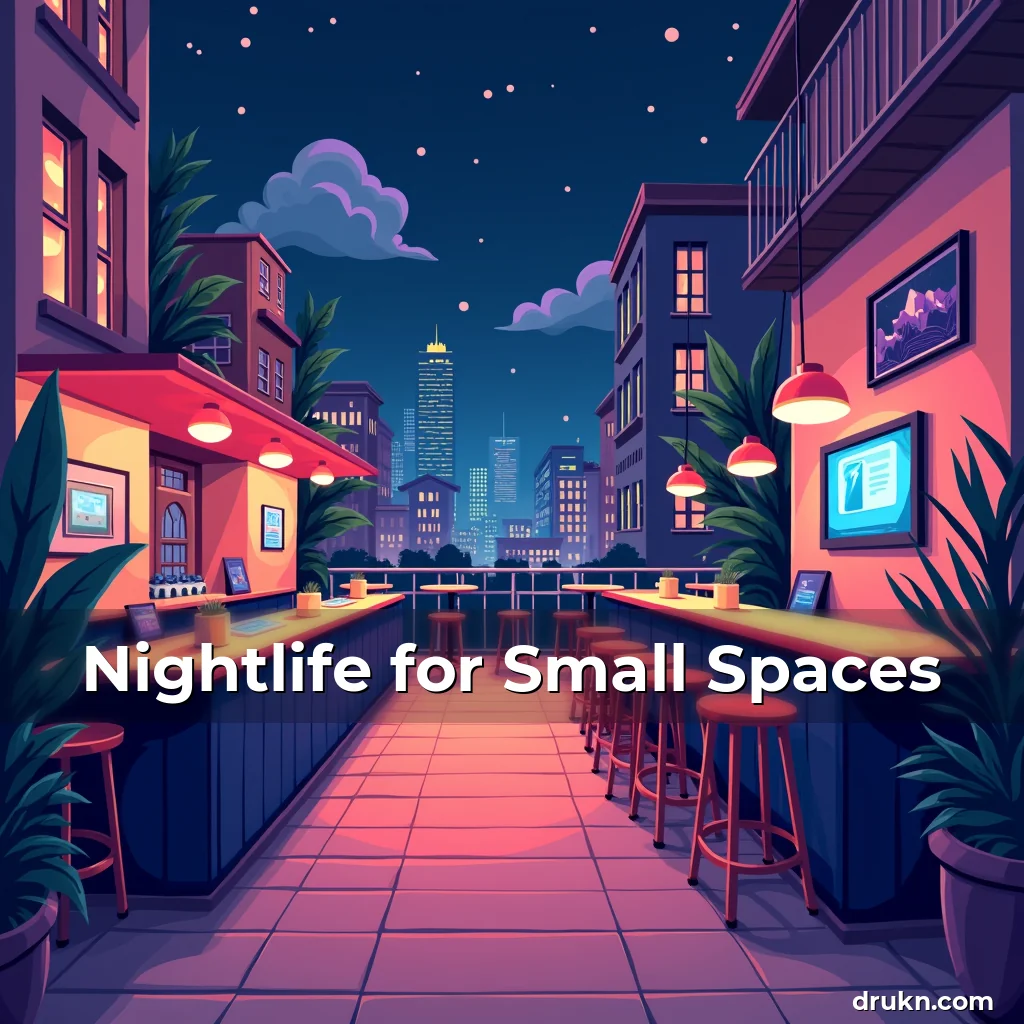
Compact spaces demand ingenuity when it comes to hosting events. One effective approach involves transforming underutilized areas such as balconies, basements, or even walk-in closets into functional entertainment zones. These hidden corners offer unexpected potential for creating intimate settings perfect for small group interactions.
Lighting plays a crucial role in setting the mood during these mini-nighttime affairs. Strategically placed LED strips along walls or beneath furniture can
In an era where urban living often means smaller homes and limited square footage, the concept of nightlife has evolved dramatically. What was once synonymous with sprawling clubs and crowded bars now thrives within the confines of compact spaces. This transformation reflects not only changing lifestyles but also innovative approaches to socializing that prioritize quality over quantity. The modern night out doesn’t require leaving your apartment door behind. With strategic planning and creative design choices, individuals can craft immersive experiences right at home without sacrificing comfort or style. From curated playlists to themed gatherings, there are countless ways to bring the essence of nightlife into even the most modest of environments. Compact spaces demand ingenuity when it comes to hosting events. One effective approach involves transforming underutilized areas such as balconies, basements, or even walk-in closets into functional entertainment zones. These hidden corners offer unexpected potential for creating intimate settings perfect for small group interactions. Lighting plays a crucial role in setting the mood during these mini-nighttime affairs. Strategically placed LED strips along walls or beneath furniture can create dynamic visual effects while minimizing clutter. Portable lamps with adjustable brightness levels allow hosts to fine-tune ambiance according to the occasion’s needs. Sound management becomes equally vital in confined environments. High-quality speakers designed specifically for small rooms ensure clear audio distribution without overwhelming occupants. Acoustic panels mounted strategically help absorb excess noise, maintaining optimal sound balance throughout the gathering. Creative use of vertical space further enhances functionality. Wall-mounted shelves stocked with decorative items double as display cases for favorite drinks or collectibles. Hanging plants add greenery without consuming precious floor area, contributing positively to indoor air quality while enhancing visual appeal. Modern nightlife enthusiasts increasingly seek personalized experiences tailored to their preferences rather than attending generic events. This shift opens up exciting possibilities for crafting bespoke evenings that reflect individual tastes and values. Home-based entertainment options have expanded significantly with advancements in streaming services and virtual reality platforms. Curated playlists featuring niche genres from around the world enable guests to explore new musical landscapes together. Virtual travel experiences combined with themed cocktails recreate exotic destinations within four walls. A growing number of people opt for micro-gatherings focused on meaningful connections instead of large-scale parties. Intimate dinner parties centered around shared interests foster deeper conversations and lasting relationships among attendees who appreciate authenticity over spectacle. Interactive elements enhance engagement during these specialized events. DIY cocktail stations invite guests to experiment with flavors using provided ingredients and tools. Live art sessions where participants contribute to collaborative murals encourage creativity and self-expression in relaxed settings. Recent studies indicate a significant rise in popularity for at-home entertainment solutions among city dwellers facing housing shortages. According to data collected by urban development organizations, nearly 68% of surveyed residents reported increasing interest in creating private recreational spaces within their residences. This trend correlates strongly with broader societal changes related to work-life balance and mental health awareness. As remote working arrangements become more common, individuals are redefining what constitutes leisure time outside traditional office hours. The ability to host friends or enjoy personal hobbies within familiar surroundings provides greater flexibility compared to traveling to external venues. Technology continues shaping how we experience nightlife indoors. Innovations in augmented reality glasses allow users to project digital overlays onto physical surfaces, effectively turning any room into an interactive playground. Wearables equipped with biometric sensors monitor physiological responses, enabling real-time adjustments to environmental factors like temperature or illumination based on collective well-being indicators. These developments suggest a future where nightlife isn’t strictly defined by location but rather by the quality of experiences created regardless of spatial constraints. As architects and designers respond to evolving consumer demands, we’re likely witnessing the emergence of entirely new categories of living spaces optimized for evening activities. Urban communities are finding inventive ways to cultivate vibrant nighttime cultures despite limited residential space. Rooftop terraces converted into communal lounges provide shared outdoor areas where neighbors can gather safely and comfortably. These elevated spaces often feature built-in seating arrangements and weatherproof coverings suitable for year-round use. Collaborative projects involving local artists transform public corridors into temporary exhibition galleries open exclusively during evening hours. Such initiatives promote cultural exchange while making efficient use of existing infrastructure without requiring additional construction efforts. Pedestrian-friendly streetscapes integrated with flexible event zones facilitate spontaneous gatherings. Modular furniture systems that can be rearranged quickly accommodate various types of social activities ranging from live music performances to poetry readings. These adaptable setups encourage organic interaction patterns among diverse demographic groups. Digital platforms play an essential role in organizing these community-focused events. Online calendars synchronized across neighborhoods notify residents about upcoming happenings in real-time. Social media groups dedicated to local nightlife serve as hubs for sharing information, coordinating attendance, and fostering a sense of belonging among participants. Themed nights centered around specific passions strengthen bonds between individuals who share similar inclinations. Book club meetings held under string lights create cozy atmospheres conducive to deep discussions about literature. Film festivals showcasing indie productions attract cinephiles eager to discover emerging talent. Gaming nights featuring cooperative board games or video game tournaments promote teamwork and friendly competition. These structured yet informal settings allow players to engage deeply with each other while enjoying recreational pursuits they genuinely enjoy. Cooking classes conducted in communal kitchens turn meal preparation into social occasions. Participants learn new culinary techniques while exchanging recipes and stories that enrich everyone involved. The hands-on nature of these workshops fosters stronger interpersonal connections than passive forms of entertainment. Musical jam sessions organized through neighborhood networks give aspiring musicians opportunities to perform informally before audiences composed primarily of fellow locals. These grassroots performances build supportive artistic ecosystems that thrive independently of commercial venues. Creating safe environments remains paramount when entertaining guests in restricted spaces. Clear communication protocols establish expectations regarding appropriate behavior and emergency procedures. Designated points of contact ensure swift response times in case of unforeseen circumstances. Proper ventilation systems maintain adequate airflow circulation, preventing discomfort caused by excessive heat buildup or poor air quality. Natural light sources supplemented by dimmable fixtures prevent eye strain while preserving visibility for safety reasons. Emergency preparedness measures include having first aid kits readily accessible and knowing evacuation routes thoroughly. Regular maintenance checks guarantee that fire alarms, smoke detectors, and sprinkler systems function correctly at all times. Safety-conscious designs incorporate non-slip flooring materials in high traffic areas and install handrails wherever necessary. Adequate spacing between furniture prevents accidental collisions while allowing sufficient movement freedom for all attendees. Smart home devices elevate nighttime entertainment capabilities beyond conventional limitations. Voice-activated assistants manage ambient conditions automatically, adjusting temperatures or playing background music based on pre-set schedules or user preferences. Projection mapping technologies breathe life into static surfaces by animating them with moving images and patterns. This technique allows ordinary walls to become dynamic canvases displaying anything from abstract visuals to cinematic scenes depending on the desired atmosphere. Wearable tech accessories track biometric data invisibly, providing subtle cues about emotional states or fatigue levels. This information helps hosts make informed decisions about activity pacing or rest periods ensuring overall enjoyment remains positive throughout extended engagements. Augmented reality applications overlay digital enhancements onto physical realities, creating hybrid environments where tangible objects interact seamlessly with virtual elements. Guests might find themselves dancing alongside holographic projections or participating in scavenger hunts guided by GPS-enabled clues embedded within their surroundings. Eco-conscious practices align perfectly with minimalistic lifestyles favored by those residing in constrained spaces. Reusable servingware reduces waste generated from single-use plastics commonly associated with larger scale events. Composting programs handle food scraps responsibly while encouraging mindful consumption habits. Energy-efficient appliances minimize electricity usage without compromising performance standards. Solar-powered charging stations power electronic devices sustainably while reducing dependence on grid energy sources. These environmentally friendly alternatives support long-term sustainability goals effortlessly integrated into daily routines. Water conservation strategies employ low-flow faucets and greywater recycling systems that repurpose wastewater for secondary uses like irrigation or cleaning purposes. Rain harvesting installations capture natural precipitation for later utilization during dry seasons. Local sourcing initiatives prioritize nearby vendors supplying fresh produce and artisanal goods. Supporting regional businesses strengthens community ties simultaneously promoting economic resilience against global supply chain disruptions affecting wider markets. Attention to detail transforms simple gatherings into memorable experiences worth cherishing. Personalized touches like custom invitations printed with event-specific artwork set an inviting tone from the outset. Unique décor elements reflecting shared memories or inside jokes add warmth and familiarity to otherwise sterile environments. Photography sessions incorporating props relevant to the theme create keepsakes capturing moments exactly as envisioned. Professional photographers specializing in lifestyle shoots offer expert guidance on composition techniques maximizing aesthetic impact without feeling staged. Custom soundtrack selections mirror moods accurately, whether opting for upbeat anthems energizing dancers or soft melodies facilitating conversation flows naturally. Music curators skilled in blending different eras harmoniously ensure transitions remain smooth and enjoyable throughout varying phases of celebration. Memory preservation extends beyond visual records; sensory experiences matter too. Signature scents diffused gently throughout the venue evoke nostalgic associations linked to particular emotions experienced during special occasions. Tactile elements like textured tablecloths or uniquely shaped coasters contribute tactile richness enhancing overall immersion levels. The evolution of nightlife in compact living spaces demonstrates remarkable adaptability rooted in innovation and imagination. By leveraging available resources creatively, individuals can cultivate richly rewarding evening experiences regardless of physical constraints imposed upon them. Whether hosting friends for a casual get-together or exploring avant-garde entertainment formats, embracing unconventional approaches unlocks boundless possibilities. The key lies in recognizing that true vibrancy stems not from expansive footprints but rather from thoughtfully crafted interactions occurring within carefully considered boundaries.The Art of Nightlife in Compact Living: Creating Vibrant Evenings Without Expanding Your Space
Redefining Nightlife Through Spatial Creativity
Curating Experiences Beyond Traditional Venues
Evolving Trends in Urban Nightlife
Beyond Walls: Community-driven Nightlife Initiatives
Fostering Connection Through Shared Interests
Optimizing Comfort and Safety in Miniature Nightclubs
Integrating Technology for Enhanced Nightlife Experiences
Embracing Sustainability in Compact Nightlife Settings
Cultivating Lasting Memories Through Thoughtful Planning
Conclusion

news is a contributor at Drukn. We are committed to providing well-researched, accurate, and valuable content to our readers.