In fact, the brand has seen a 10% increase in sales over the past year alone.
The Resurgence of Stouts and Dark Beers
In recent years, stouts and dark beers have been experiencing a decline in popularity. This trend is evident in the way breweries are approaching their beer offerings. Many breweries have shifted their focus towards lighter, more sessionable beers, such as IPAs and pale ales. However, it appears that this trend may be coming to an end.
Factors Contributing to the Decline
Several factors have contributed to the decline of stouts and dark beers. Some of these factors include:
The beer should have a roasted, dry finish with a hint of bitterness. The beer should have a rich, smooth, and creamy texture. The beer should have a moderate to high ABV (alcohol by volume). The beer should have a moderate to high IBU (international bitterness unit) rating.
The European Beer Star Competition
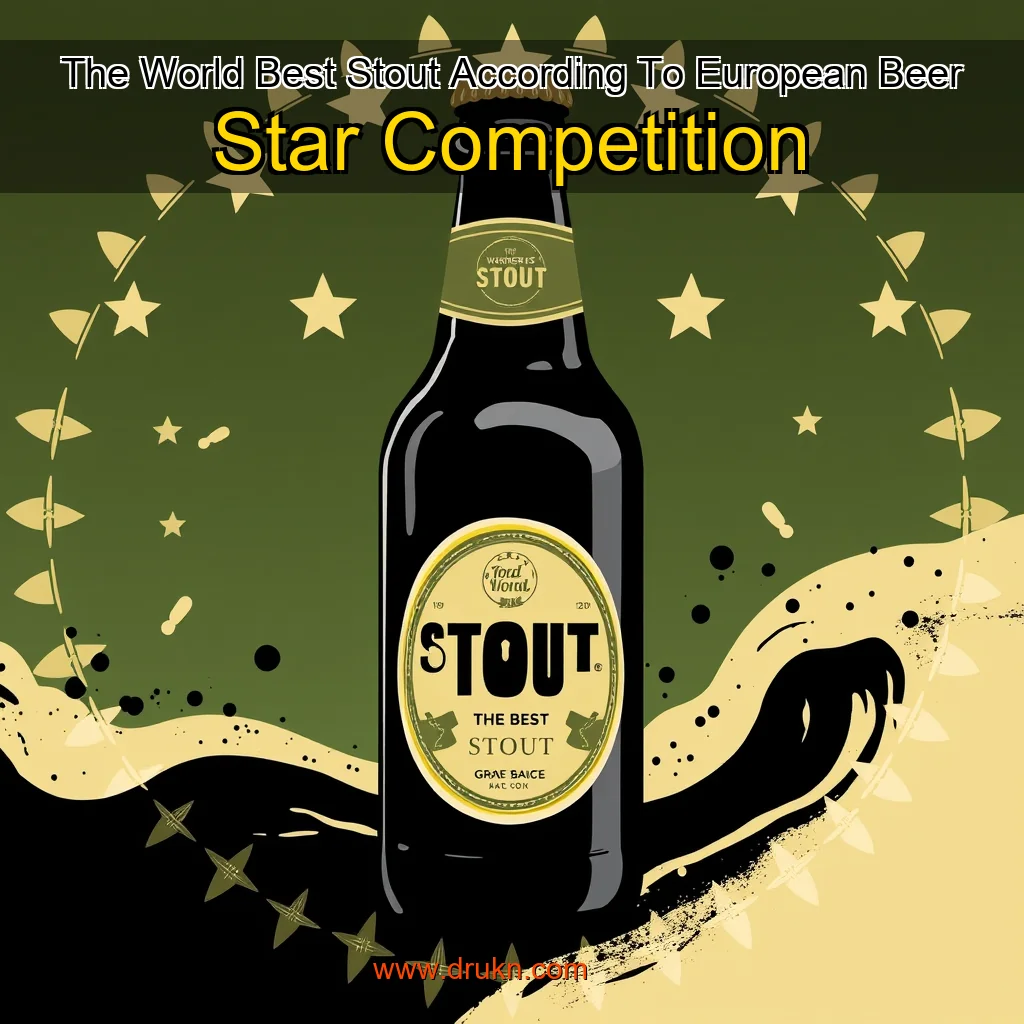
The European Beer Star is a prestigious global competition that brings together the best beers from around the world. The competition is open to breweries from over 40 countries, and it’s considered one of the most important beer competitions in the world. The European Beer Star is a platform for breweries to showcase their beers and compete with the best of the best.
The Stout Subcategory
One of the most popular subcategories at the European Beer Star is the Stout. Stouts are a type of beer that originated in Ireland and are known for their rich, smooth, and creamy texture.
The European Beer Star Competition
The European Beer Star is a prestigious international beer competition that recognizes the best beers from across Europe. The competition is open to beers from over 30 countries, and it is considered one of the most respected and sought-after awards in the brewing industry.
Judging Criteria
The European Beer Star competition uses a rigorous judging process to evaluate beers based on their quality, taste, and overall appeal. The judges assess beers in several categories, including:
Beer Style Requirements
The European Beer Star competition has specific requirements for the beers that can be entered in each category. For example:
The Judging Process
The European Beer Star competition uses a blind tasting process, where the beers are evaluated without knowing the brewer’s name or the beer’s origin.
Rich and indulgent flavors meet traditional brewing techniques in pastry stouts.
Pastry stouts are typically brewed with a combination of specialty malts and grains, such as oats, wheat, and rye, to create a rich and complex flavor profile.
The Origins of Pastry Stouts
Pastry stouts have their roots in traditional British brewing, where they were often brewed as a specialty beer to accompany sweet pastries and desserts. The name “pastry” in this context refers to the beer’s sweet and indulgent flavor profile, rather than any direct connection to pastry-making.
Historical Influences
Characteristics of Pastry Stouts
Pastry stouts are known for their rich and complex flavor profile, which is achieved through the use of specialty malts and grains.
The Rise of Non-Alcoholic Beers
The craft beer industry has seen a significant shift in recent years, with a growing demand for non-alcoholic beers. This trend is driven by consumers seeking alternatives to traditional beer, often due to health concerns, personal preferences, or simply a desire for a lower-ABV option. As a result, breweries have been experimenting with innovative non-alcoholic beer styles, pushing the boundaries of what is possible in this category.
Key Trends in Non-Alcoholic Beers
Browar Trzech Kumpli’s Stout Unplugged
Browar Trzech Kumpli, a Polish brewery, took home the top prize in the inaugural non-alcoholic beer category with its Stout Unplugged.

news is a contributor at Drukn. We are committed to providing well-researched, accurate, and valuable content to our readers.