The Rise of Ready-to-Drink Canned Beverages
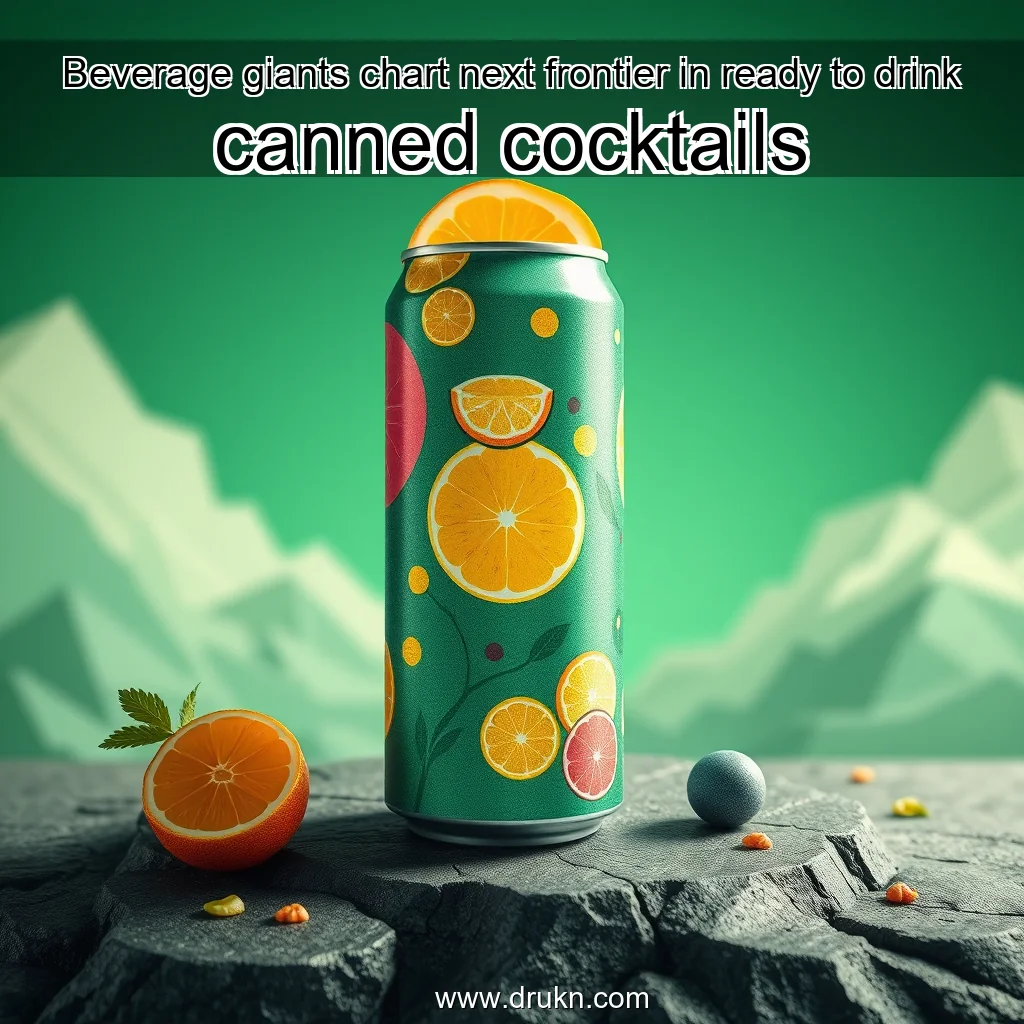
In recent years, the beverage industry has witnessed a significant shift in consumer preferences, with many opting for ready-to-drink canned beverages over traditional options like wine and beer. This trend is expected to continue, with companies like Coca-Cola, PepsiCo, and Anheuser-Busch investing heavily in the production and marketing of ready-to-drink canned beverages.
Key Drivers of the Trend
The Benefits of Ready-to-Drink Canned Beverages
Ready-to-drink canned beverages have several benefits that are driving their popularity. Some of the key advantages include:
RTDs are becoming a lucrative business for major beer producers.
Other major players like Anheuser-Busch and Heineken are also investing heavily in RTDs.
The Rise of Ready-to-Drink (RTDs) in the Beer Industry
The ready-to-drink (RTD) market has experienced significant growth in recent years, with major beer producers taking notice. RTDs are pre-mixed beverages that combine beer with other ingredients, such as spirits, fruit, or caffeine, to create a unique drinking experience. The trend is expected to continue, with many companies investing heavily in RTD products.
Key Players in the RTD Market
The trend is driven by the popularity of craft cocktails and the desire for unique experiences.
The Rise of Premium Canned Cocktails
The canned cocktail market has experienced significant growth in recent years, with sales increasing by over 50% in 2020 alone. However, this growth is expected to slow down as consumers become more discerning about the quality and uniqueness of the products they purchase.
Key Drivers of the Trend
Experimentation with New Spirit Bases and Flavors
Companies are experimenting with new spirit bases and flavors to differentiate themselves from the competition and meet the growing demand for premium canned cocktails. New Spirit Bases: Companies are exploring new spirit bases, such as gin, rum, and tequila, to offer consumers a wider range of options.
in 2020, according to a report by the market research firm, IRI. The growth of these brands is attributed to the increasing popularity of hard seltzer and the rise of the “low-alcohol” or “low-proof” drink category.
The Rise of Hard Seltzer
Hard seltzer has experienced a remarkable surge in popularity over the past few years, with sales increasing by over 50% in 2020 alone.
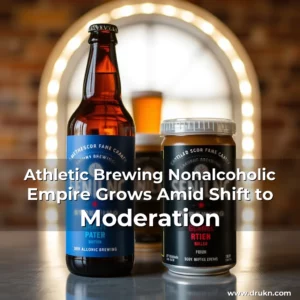
The Rise of Nonalcoholic Drinks Drives Market Growth and Expands Consumer Options.
The Rise of Nonalcoholic Drinks
The market for nonalcoholic drinks is growing rapidly, driven by changing consumer preferences and a shift in alcohol consumption. According to a report by Euromonitor International, the global nonalcoholic drinks market is expected to reach $43.8 billion by 2025, up from $24.8 billion in 2020. This growth is driven by several factors, including:
The Benefits of Nonalcoholic Drinks
Nonalcoholic drinks offer several benefits, including:
The Future of Nonalcoholic Drinks
As the market continues to grow, we can expect to see new and innovative products emerge. Some trends to watch include:
The beverage is made with a blend of natural ingredients and is free from artificial flavors, colors, and preservatives. White Claw’s zero-proof seltzer is a response to the growing demand for low- and no-alcohol beverages in the market.
The Rise of Low- and No-Alcohol Beverages
The low- and no-alcohol beverage market has experienced significant growth in recent years, driven by increasing consumer demand for healthier and more sustainable options. This trend is expected to continue, with the global low- and no-alcohol beverage market projected to reach $44.8 billion by 2025.
Key Drivers of the Market
The two companies are working together to create a new line of products that will be available in the major retailers in the United States. The new line will be called “Elevate” and will feature products that combine the flavors of Ritual’s aperitif and Mingle Mocktails’ mixers.
Elevate: A New Line of Spirits Alternatives
The Concept Behind Elevate
The collaboration between Mingle Mocktails and Ritual is centered around the idea of elevating the way we enjoy spirits. Both companies aim to provide consumers with a more sophisticated and refined drinking experience.
Nestrud believes there is space for nonalcoholic cocktails in the R&D phase to experiment with more complex flavor profiles to stand out.

news is a contributor at Drukn. We are committed to providing well-researched, accurate, and valuable content to our readers.