21 bars made it to the list, with 7 of them being small-format bars. The list was curated by the 30BestBarsIndia team, comprising of experts and industry professionals.
The Rise of Small-Format Bars
The Indian alco-bev industry has witnessed a significant shift in recent years, with small-format bars gaining immense popularity. These bars offer a unique and personalized drinking experience, catering to the diverse tastes and preferences of consumers. With the rise of experiential drinking, small-format bars have become an attractive option for those seeking a more intimate and immersive experience.
Key Features of Small-Format Bars
The 30BestBarsIndia List
The 30BestBarsIndia list is a prestigious recognition of the best bars in India, curated by the 30BestBarsIndia team. The list features 21 bars, with 7 of them being small-format bars.
The Rise of Cocktail Bars in India
The Indian cocktail scene has experienced a significant transformation in recent years, with a growing number of bars emerging across the country. These establishments have not only become popular gathering spots but have also elevated the art of mixology in the country.
They are now opting for fresh, locally-sourced ingredients and unique, handcrafted cocktails.
The Rise of Craft Cocktails in India
The craft cocktail scene in India has been growing steadily over the past decade. With the increasing popularity of craft spirits, bartenders have been experimenting with new and innovative recipes, incorporating local flavors and ingredients. This shift has led to a significant change in the way Indians consume cocktails.
Key Trends in Craft Cocktails
The Shift Away from Bottled Mixers
The traditional Indian cocktail scene has been dominated by bottled, syrupy, sugar-loaded mixers. However, this trend is slowly changing.
The Rise of Sustainable Bars
The concept of sustainable bars is gaining momentum, and it’s not just about reducing waste. It’s about creating a holistic approach to hospitality that prioritizes the environment, local communities, and the well-being of patrons. Bars are now being designed with sustainability in mind, from the choice of materials to the way they source ingredients.
The Kitchen-Waste Connection
One of the most significant ways bars are embracing sustainability is by working closely with their kitchens to reduce waste. This involves using kitchen waste as an ingredient in cocktails, reducing food waste, and implementing efficient waste management systems. By doing so, bars can significantly reduce their environmental impact and create a more circular economy. Key benefits of using kitchen waste in bars: + Reduces food waste and saves resources + Creates unique and innovative cocktails + Supports local farmers and suppliers + Enhances the overall sustainability of the bar
Sustainable Sourcing
Sustainable sourcing is another crucial aspect of creating a sustainable bar. This involves sourcing ingredients from local, organic, and environmentally friendly suppliers. By doing so, bars can reduce their carbon footprint, support local communities, and promote environmentally friendly practices.
Many consumers are concerned about the lack of human interaction and the potential for AI-generated drinks to be mass-produced and lacking in character.
The Rise of AI-Generated Cocktails
The world of mixology is on the cusp of a revolution, with the emergence of AI-generated cocktails that are changing the way we think about drinking. From bespoke bars to high-end restaurants, the use of artificial intelligence is becoming increasingly prevalent in the industry. But what does this mean for consumers, and how will it impact the way we experience a drink?
.
The Benefits of AI-Generated Cocktails
While some may view AI-generated cocktails as a threat to traditional bartending, there are several benefits to this new approach. For one, AI can help reduce the workload of bartenders, allowing them to focus on more creative and high-touch tasks. Additionally, AI can analyze vast amounts of data to identify trends and preferences, providing bartenders with valuable insights to inform their craft. Key benefits of AI-generated cocktails: + Reduced workload for bartenders + Increased efficiency in data analysis + Improved customer experience through personalized recommendations
The Concerns About AI-Generated Cocktails
However, not everyone is convinced that AI-generated cocktails are a good thing.
The Rise of Sustainable Innovations in the Luxury Food Industry
The luxury food industry has long been criticized for its environmental impact, from the carbon footprint of transportation to the packaging waste generated by single-use plastics. However, a new wave of sustainable innovations is emerging, driven by forward-thinking companies like SOKA, a luxury food brand founded by entrepreneur Rohan Shetty.
The Power of Small Changes
Shetty believes that small, incremental changes can have a significant impact when it comes to sustainability. He cites examples like logo-imprinted ice cubes, encapsulated fruits, and clear ice as garnishes as potential game-changers. These innovations may seem minor, but they can significantly reduce waste and minimize the industry’s environmental footprint. Logo-imprinted ice cubes: Instead of using plain ice cubes, companies can now print their logos onto the ice, reducing the need for single-use plastic ice cube trays. Encapsulated fruits: Fresh fruits can be encapsulated in biodegradable packaging, eliminating the need for single-use plastic containers.
The spirit, which is derived from the blue agave plant, has gained significant popularity in recent years due to its unique flavor profile and versatility in mixology. As a result, bars and restaurants are now offering a wide range of agave-based cocktails, from classic margaritas to innovative creations.
The Rise of Agave-Based Cocktails
Agave-based cocktails have been on the rise in recent years, and it’s easy to see why. The spirit has a distinct flavor profile that is both sweet and savory, making it a versatile ingredient in a variety of cocktails. Here are some reasons why agave-based cocktails are becoming increasingly popular:
The Indian whiskey market is expected to grow at a CAGR of 8.5% from 2023 to 2028.
The Rise of Premium Spirits in India
The Indian spirits market has experienced significant growth in recent years, driven by the increasing demand for premium and craft spirits. The premium tequila market, in particular, has shown remarkable growth, with a valuation of $3.29 million in 2023. This growth is expected to continue, with the market projected to reach $5.83 million by 2031, at a compound annual growth rate (CAGR) of 7.45%.
Factors Driving the Growth of Premium Spirits in India
Several factors have contributed to the growth of the premium spirits market in India. These include:
The Indian Gin Boom
The Indian gin market has experienced significant growth in recent years, driven by the emergence of homegrown brands. These brands have been able to capitalize on the growing demand for premium and craft spirits, and have established themselves as major players in the market.
The Indian Whiskey Market
The Indian whiskey market is also expected to grow significantly in the coming years. With a CAGR of 8.5% from 2023 to 2028, the market is expected to reach new heights.
The Rise of Agave-Based Spirits in India
The Indian spirits market has witnessed a significant shift in recent years, with the rise of agave-based spirits gaining momentum. Agave, a type of succulent plant, is the primary ingredient in tequila, mezcal, and other spirits. The popularity of agave-based spirits in India can be attributed to the growing demand for premium and unique spirits.
Key Factors Contributing to the Rise of Agave-Based Spirits
The Indian Agave-Based Spirits Market
The Indian agave-based spirits market is still in its nascent stages, but it has already shown significant growth. Two Indian brands, Gracia Viva Agave and Amrut, have been able to produce agave-based spirits.
Premium Tequila Sees Surge in India as Middle Class Expands and Consumer Preferences Shift.
The Rise of Premium Tequila in India
The Indian tequila market has experienced significant growth in recent years, driven by increasing demand for premium spirits. The reduction in excise duties in key markets, including Bengaluru, has made premium tequilas more affordable, leading to a surge in sales.
Key Factors Contributing to the Growth
The Impact on the Market
The growth of the premium tequila market in India is expected to have a significant impact on the industry as a whole. Some of the key effects include:
The brand’s unique selling proposition is its use of locally sourced ingredients and traditional Indian methods of production. The brand’s marketing strategy is centered around the revival of traditional Indian festivals and events, such as the Holi festival of colors.
The Unexplored World of Indian Spirits
The world of Indian spirits has long been a mystery, with many indigenous spirits remaining unexplored, both globally and within India.
The Rise of Artisanal Feni
In recent years, the Goan liquor industry has witnessed a significant transformation. Gone are the days of mass-produced, bland feni. Today, artisanal producers are taking center stage, crafting unique and complex flavors that are redefining the traditional spirit.
These brands are creating a new market for low-ABV beverages that cater to the growing demand for sober-friendly options.
The Rise of Zero ABV Beverages
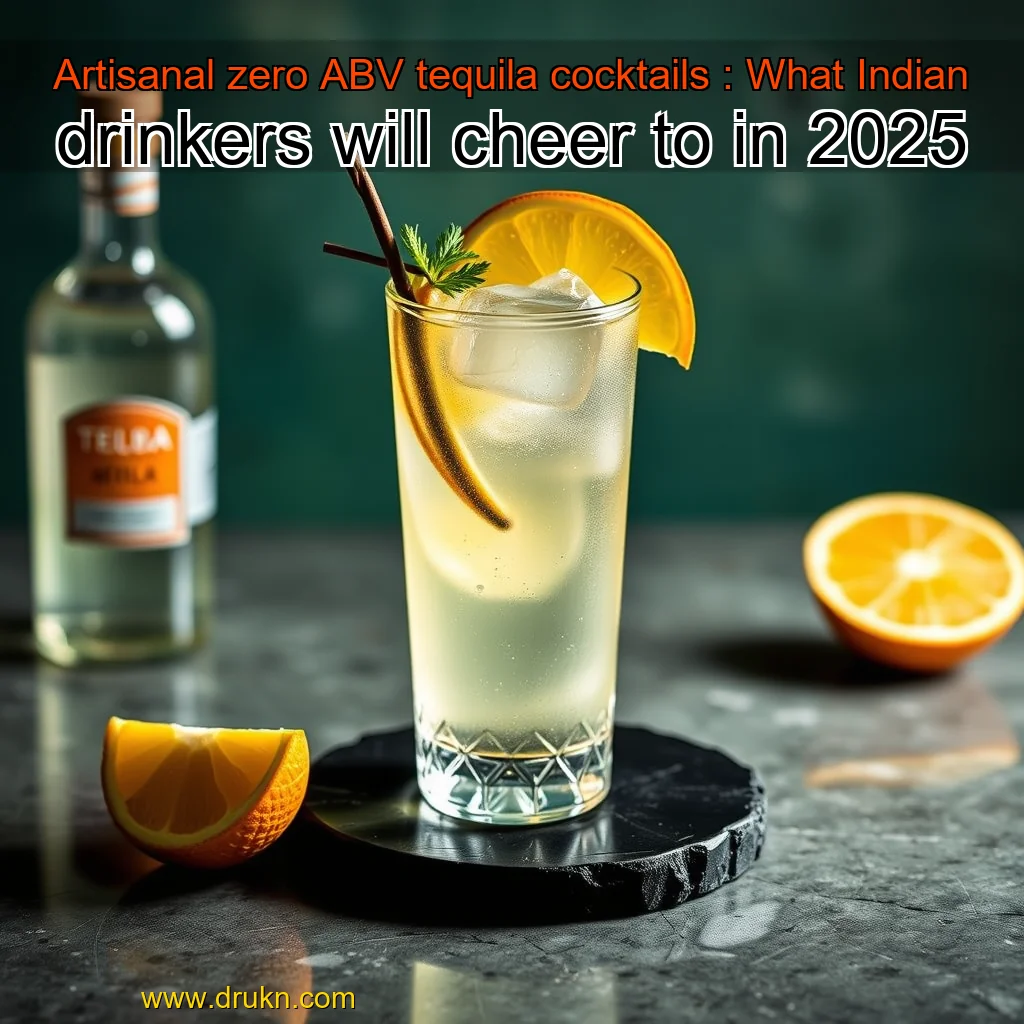
The zero ABV beverage market is on the rise, driven by the increasing demand for sober-friendly options. With the stigma around sobriety slowly fading, more people are embracing the idea of enjoying social gatherings without the negative effects of alcohol. This shift has led to the emergence of homegrown brands that specialize in creating low-ABV beverages.
Key Features of Zero ABV Beverages
The market is driven by increasing demand for low-calorie and sugar-free drinks, as well as the growing awareness of the health benefits of non-alcoholic beverages.
The Rise of Non-Alcoholic Beverages
The non-alcoholic beverages market has experienced significant growth in recent years, driven by the increasing demand for low-calorie and sugar-free drinks. Consumers are becoming more health-conscious, and as a result, they are seeking out beverages that are not only delicious but also nutritious. The rise of non-alcoholic beverages can be attributed to several factors, including:
Trends and Innovations
The non-alcoholic beverages market is not just about offering low-calorie alternatives to traditional beverages; it’s also about innovation and creativity. Some of the trends and innovations that are shaping the market include:
Consumers are no longer just buying products; they’re investing in experiences, values, and lifestyles.
The Rise of Conscious Consumption
In recent years, the way people shop has undergone a significant transformation. Gone are the days of mindless consumerism, where individuals would buy products without considering the impact on the environment, society, or their own well-being. Today, consumers are becoming more aware of the consequences of their purchasing decisions and are actively seeking out products and services that align with their values and lifestyles.
Key Characteristics of Conscious Consumption
The Impact of Conscious Consumption on Businesses
The rise of conscious consumption has significant implications for businesses. Companies that fail to adapt to these changing consumer behaviors risk losing market share and reputation. On the other hand, businesses that prioritize sustainability, social responsibility, and personalization are well-positioned to thrive in this new landscape.
Strategies for Businesses to Thrive

news is a contributor at Drukn. We are committed to providing well-researched, accurate, and valuable content to our readers.