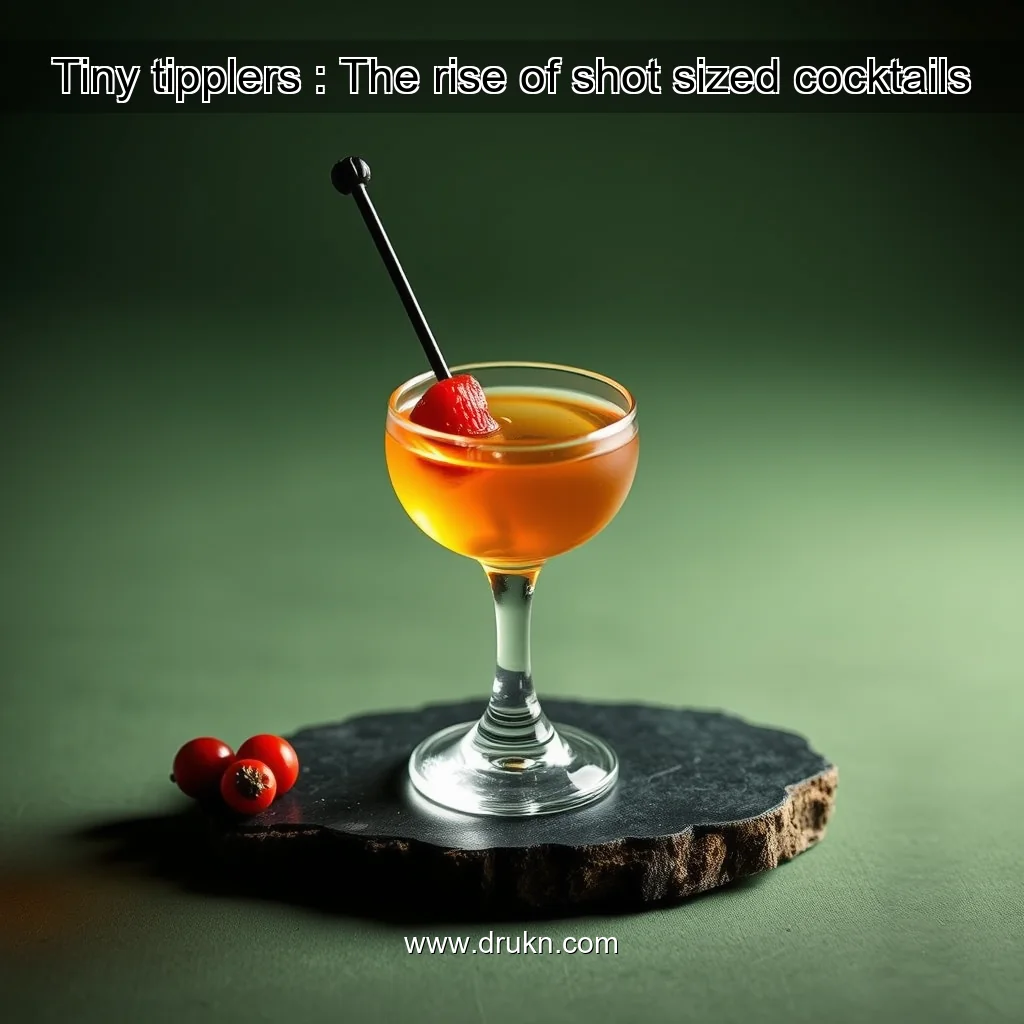
Weaver created the drink in 2010 as a response to the growing trend of “one-sip” cocktails, which were becoming increasingly popular at the time.
Origins of the Tiny Tini
The Tiny Tini was born out of a desire to create a unique and refreshing drink that would appeal to a wide range of customers.
The Rise of Tiny Tipsy
Tiny tipsy, also known as “mini cocktails,” have been gaining popularity in Denver bars in recent years. These small, potent drinks are typically served in tiny glasses, often with a single ingredient or a limited number of ingredients. The tiny tipsy has become a staple in many Denver bars, with some establishments even offering a “mini menu” of tiny cocktails.
What Makes Tiny Tipsy So Appealing? Unique flavor profiles: Tiny tipsy often feature unique and complex flavor combinations that are not typically found in larger cocktails. Portion control: The small size of tiny tipsy allows patrons to try a variety of flavors without committing to a full-sized drink.
The 3-ounce serving size is a departure from the traditional 2-ounce serving size, but it’s still within the standard range.
The Rise of the 3-Ounce Cocktail
In recent years, the traditional 2-ounce serving size for cocktails has been gaining traction, with many establishments opting for the 3-ounce serving size. This shift is largely driven by the growing demand for premium and high-end cocktails. Key factors contributing to the rise of the 3-ounce cocktail:
- Increased focus on quality and craftsmanship
- Growing demand for premium and high-end cocktails
- Rising costs of ingredients and labor
- Changing consumer preferences and expectations
- Color: Depression glass is known for its vibrant colors, which were achieved through a process called “casing.” This process involved layering different colors of glass to create a unique and intricate design. Patterns: Depression glass often features intricate patterns, including florals, geometric shapes, and other designs. These patterns were created using a variety of techniques, including etching, engraving, and printing. Shapes: Depression glass comes in a wide range of shapes, including bowls, vases, tumblers, and plates. These shapes were designed to be both functional and decorative. ## The Art of Collecting Depression Glass**
- Start with the basics: Begin by learning about the different types of Depression glass, including its history, production methods, and common patterns.
Subscribe to our new food newsletter, Stuffed, to get Denver food and drink news sent straight to your inbox.
The 3-ounce serving size allows bartenders to create more complex and nuanced cocktails, while also providing a more satisfying drinking experience for customers.
## The Evolution of Shots!
The Origins of Shots! The concept of shots has been around for centuries, dating back to ancient civilizations in Egypt, Greece, and Rome. In these cultures, shots were often used as a form of currency or as a way to seal business deals.
The drink is made with espresso, vodka, and a splash of hazelnut syrup, topped with a layer of foam. The drink is served in a shot glass and is meant to be sipped slowly, allowing the “espresso flavor to linger.” The drink is a great example of how a mini cocktail can be both a drink and a dessert.
Mini Cocktails: The Rise of the Tiny Drink
Mini cocktails have taken the world by storm, and it’s easy to see why. These tiny drinks offer a unique drinking experience that’s both fun and convenient.
The charm of petite glassware lies in its delicate, dainty appearance and the fact that it was often used for serving small portions of liquor. The petite glassware was also used for serving cocktails, but it was not as popular as the larger glasses. The petite glassware was often used for serving small portions of liquor, such as a single shot of whiskey or a small glass of wine.
The Allure of Petite Glassware
Petite glassware has a certain charm that has captivated collectors and enthusiasts for decades. Its delicate, dainty appearance makes it a standout among other types of glassware.
Depression glass is made from a type of soda-lime glass that is more durable than regular soda-lime glass. It is also more resistant to thermal shock, meaning it can withstand extreme temperature changes without breaking.
The Rise of Depression Glass
Depression glass was first introduced in the 1920s, during the Great Depression. It was marketed as an affordable option for households, with prices ranging from $1 to $5 per piece. The glass was made from a type of soda-lime glass that was more durable than regular soda-lime glass. This made it a popular choice for households that wanted to add a touch of elegance to their dining tables without breaking the bank.
Characteristics of Depression Glass
The Art of Collecting Depression Glass
Collecting Depression glass has become a popular hobby in recent years. Many collectors are drawn to the unique characteristics of this type of glass, including its vibrant colors and intricate patterns. Here are some tips for getting started with collecting Depression glass: